

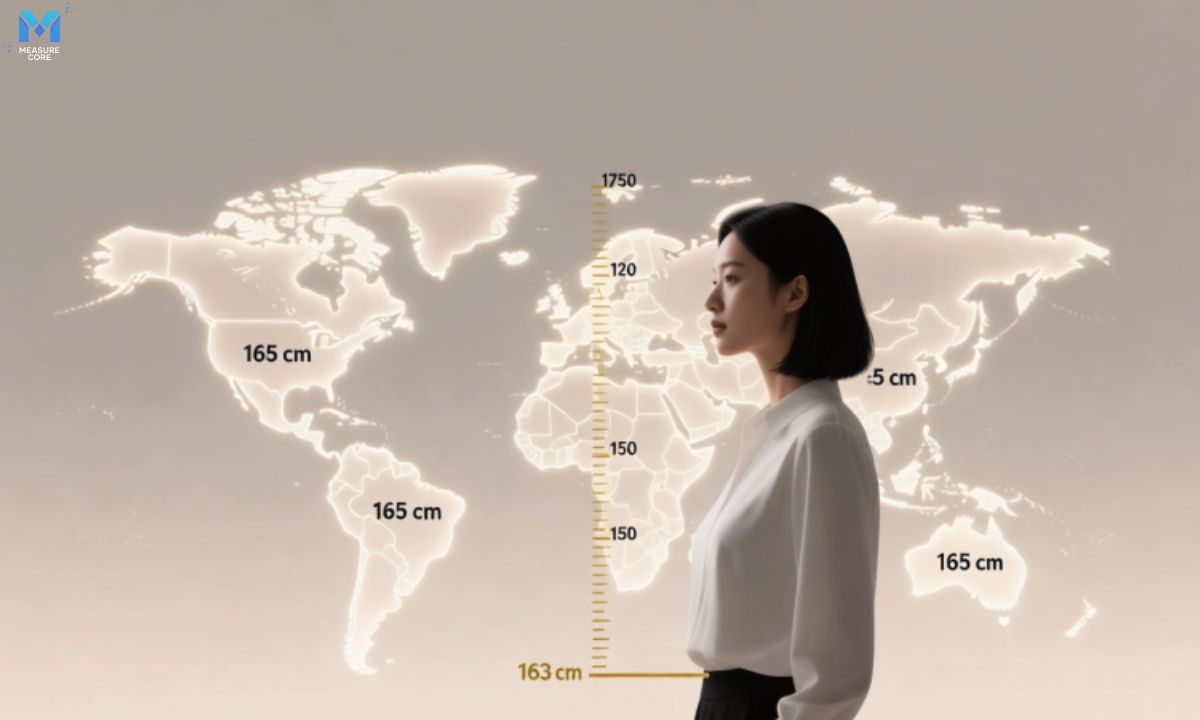
Understanding the average height of women worldwide offers valuable insights into human growth, health, and nutrition. Height is influenced by genetics, environment, and socioeconomic factors, making it a useful indicator of overall wellbeing across populations.
This comprehensive guide explores regional differences, historical trends, and the factors that shape women’s height globally. By examining these patterns, we can better understand how genetics, diet, and living conditions impact growth over time.
Average Height of Women in the USA
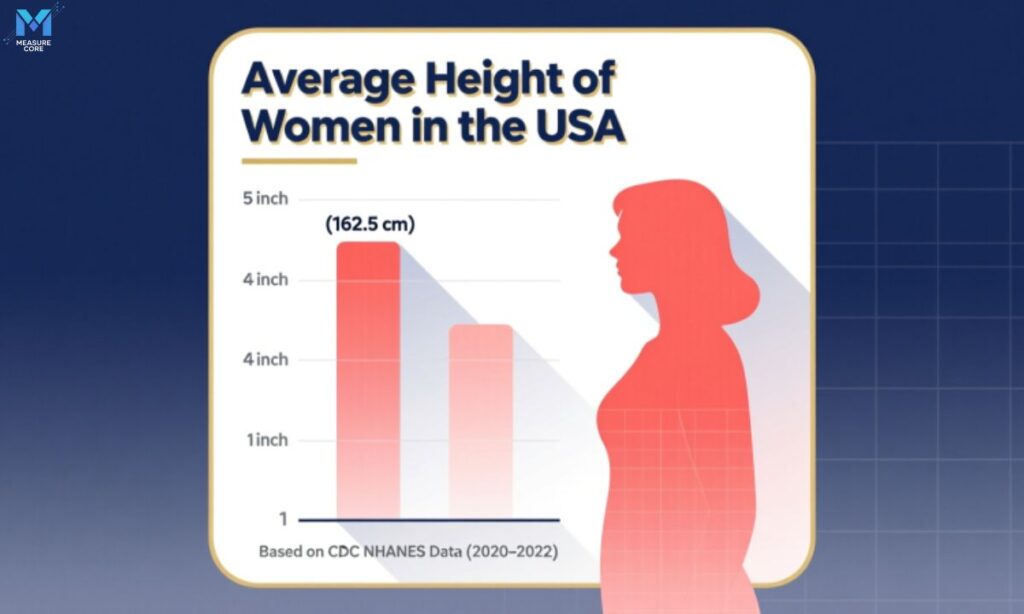
The average height of women worldwide varies significantly by region, and the USA offers interesting insights into these patterns. American women stand at approximately 5 feet 4 inches (162.5 cm) tall on average.
This measurement places the USA in the mid-range when comparing the average height of women worldwide across different nations.Understanding height variations within the USA helps us see the bigger picture of the average height of women worldwide.
Different ethnic backgrounds contribute to diverse height statistics. These regional and demographic differences reflect genetic, nutritional, and environmental factors that influence growth patterns.
- Tallest demographic: Non-Hispanic white women average around 5 feet 4.5 inches (164 cm), representing one of the taller groups
- Shortest demographic: Asian American women typically average 5 feet 2 inches (157 cm), showing notable variation within populations
- Current trends: American women’s average height has remained relatively stable over the past two decades, with minimal changes compared to earlier generations
| Ethnic Group | Average Height (feet/inches) | Average Height (cm) |
| Non-Hispanic White | 5’4.5″ | 164 cm |
| Non-Hispanic Black | 5’4″ | 163 cm |
| Hispanic/Latina | 5’2″ | 158 cm |
| Asian American | 5’2″ | 157 cm |
| Native American | 5’3″ | 160 cm |
Average Height of Women in Europe
The average height of women worldwide varies significantly by region, and the USA offers interesting insights. American women stand at approximately 5 feet 4 inches (162.5 cm) tall on average.
Understanding height variations within the USA helps us see patterns in the average height of women worldwide. Different ethnic backgrounds contribute to diverse height statistics across the nation.
- Tallest demographic: Non-Hispanic white women average around 5 feet 4.5 inches (164 cm)
- Shortest demographic: Asian American women typically average 5 feet 2 inches (157 cm)
- Current trends: American women’s average height has remained stable over the past two decades
| Ethnic Group | Average Height (feet/inches) | Average Height (cm) |
| Non-Hispanic White | 5’4.5″ | 164 cm |
| Non-Hispanic Black | 5’4″ | 163 cm |
| Hispanic/Latina | 5’2″ | 158 cm |
| Asian American | 5’2″ | 157 cm |
| Native American | 5’3″ | 160 cm |
Average Height of Women in Asia
The average height of women worldwide shows fascinating variations across Asia. Asian women’s heights range significantly from country to country due to genetics and environmental factors. When examining the average height of women worldwide, Asia presents diverse patterns worth exploring.
Women in East Asian countries tend to be taller than those in South and Southeast Asia. This regional size difference reflects nutrition, healthcare access, and economic development. The average height of women worldwide continues to shift as living conditions improve across Asian nations.
Urban areas in Asia show taller average heights compared to rural regions. Better nutrition and healthcare in cities contribute to these height comparison metrics. Understanding these factors helps explain the average height of women worldwide.
- Urban vs rural: City-dwelling women average 2-3 cm taller than rural women due to better nutrition and healthcare access
- Tallest countries: Chinese and South Korean women lead Asia with averages around 5’3″ (160-162 cm)
- Factors affecting height: Nutrition quality, healthcare availability, and economic development play crucial roles in determining height trends
| Country | Average Height (feet/inches) | Average Height (cm) |
| China | 5’3″ | 160 cm |
| South Korea | 5’3.5″ | 162 cm |
| Japan | 5’2.5″ | 159 cm |
| India | 5’0.5″ | 154 cm |
| Indonesia | 5’0″ | 152 cm |
| Philippines | 5’0″ | 152 cm |
| Vietnam | 5’1″ | 155 cm |
Average Height of Women in Africa
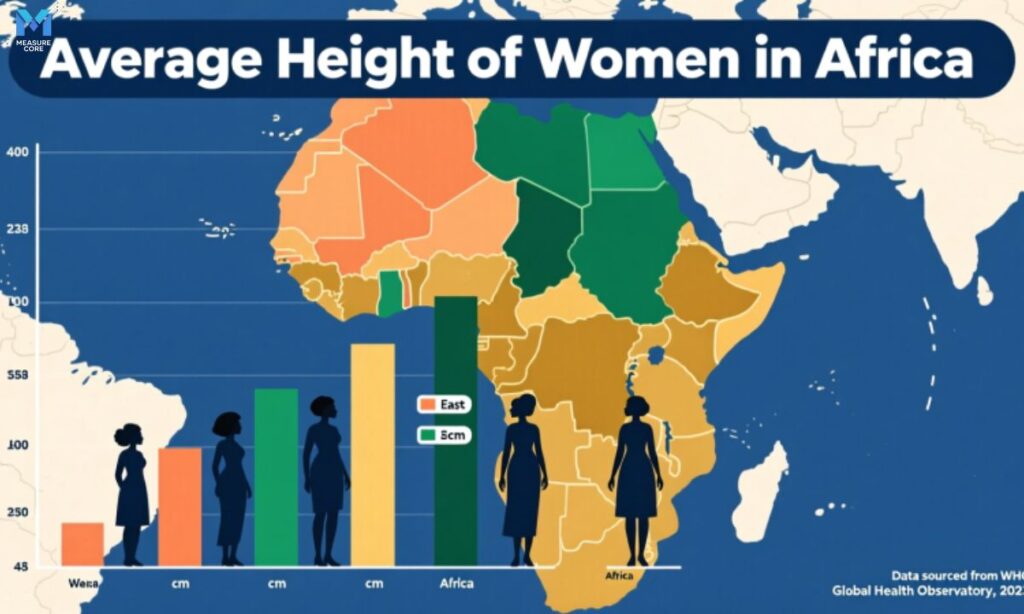
The average height of women worldwide includes significant variations across the African continent. African women’s heights differ greatly from north to south due to ethnic diversity and environmental factors.
North African women tend to be taller than those in some sub-Saharan regions. These height comparison metrics reflect nutritional access and healthcare quality across different nations.
Nutrition plays a critical role in determining height across African countries. Access to protein-rich foods and essential nutrients during childhood affects growth patterns significantly.
- Nutrition impact: Malnutrition and food insecurity in certain regions directly affect average heights
- Regional differences: East African countries show taller averages compared to West and Central African nations
- Tallest countries: South African and Kenyan women average around 5’3″ (159-160 cm)
| Country | Average Height (feet/inches) | Average Height (cm) |
| South Africa | 5’3″ | 159 cm |
| Kenya | 5’3″ | 160 cm |
| Nigeria | 5’2″ | 158 cm |
| Egypt | 5’2.5″ | 159 cm |
| Ethiopia | 5’2″ | 157 cm |
| Ghana | 5’2″ | 158 cm |
Average Height of Women in South America
The average height of women worldwide reveals interesting patterns in South America. South American women typically stand between 5’0″ and 5’3″ (152-160 cm) depending on the country.
When comparing the average height of women worldwide, South America falls in the shorter range. Genetic ancestry and socioeconomic conditions significantly influence these height statistics across the continent.
- Shortest countries: Bolivia and Peru have the shortest average heights at around 4’11” (149-151 cm) due to indigenous ancestry
- Genetics influence: Indigenous, European, and African ancestry create diverse height patterns across different nations
- Socioeconomic factors: Income levels, healthcare access, and nutrition quality directly impact growth and development
| Country | Average Height (feet/inches) | Average Height (cm) |
| Argentina | 5’3″ | 161 cm |
| Brazil | 5’2.5″ | 159 cm |
| Chile | 5’2″ | 158 cm |
| Colombia | 5’2″ | 158 cm |
| Peru | 5’0″ | 151 cm |
| Bolivia | 4’11” | 149 cm |
| Venezuela | 5’2″ | 157 cm |
Average Height of Women in Oceania
The average height of women worldwide shows unique patterns in Oceania. This region includes both Australia and numerous Pacific Island nations with varying height statistics.
Australian women are among the taller populations when examining the average height of women worldwide. Pacific Island nations display different height ranges influenced by genetics and lifestyle factors.
- Australia vs Pacific Islands: Australian women average 5’5″ (164 cm), significantly taller than many Pacific Island nations where women average 5’2″-5’3″ (157-160 cm)
- Nutrition factors: Access to diverse diets and quality healthcare in Australia contributes to taller heights compared to some island nations with limited resources
| Country | Average Height (feet/inches) | Average Height (cm) |
| Australia | 5’5″ | 164 cm |
| New Zealand | 5’4.5″ | 164 cm |
| Fiji | 5’3″ | 160 cm |
| Samoa | 5’3″ | 160 cm |
| Tonga | 5’3″ | 159 cm |
| Papua New Guinea | 5’1″ | 155 cm |
Factors Affecting Women’s Height

The average height of women worldwide depends on multiple interconnected factors. Understanding these elements helps explain why height varies so dramatically across different regions and populations.
Genetics play the most significant role in determining individual height potential. However, environmental and lifestyle factors determine whether someone reaches their genetic height potential or falls short.
Nutrition during childhood and adolescence critically impacts final adult height. Proper intake of proteins, vitamins, and minerals supports optimal bone growth and development throughout formative years.
Hormonal balance and overall health conditions also influence growth patterns significantly. Medical conditions and environmental stressors can prevent individuals from achieving their full genetic height potential.
- Genetics: Accounts for approximately 60-80% of height variation, with parental height being the strongest predictor of children’s adult stature
- Nutrition quality: Adequate protein, calcium, vitamin D, and other nutrients during growth years directly affect bone development and final height
- Hormones: Growth hormone, thyroid hormones, and sex hormones regulate bone growth and development during childhood and puberty
- Environment: Living conditions, healthcare access, childhood diseases, and stress levels impact growth potential significantly
- Medical conditions: Chronic illnesses, hormonal disorders, and genetic syndromes can restrict growth and reduce final adult height 💊
Genetics and Women’s Height
Genetics is the primary factor determining the average height of women worldwide. Scientific studies show that 60-80% of height variation comes from inherited genetic factors passed from parents to children.
When analyzing the average height of women worldwide, ethnic and ancestral backgrounds create distinct height patterns. Different populations have evolved unique genetic traits that influence bone length and overall stature across generations.
Parental height serves as the strongest predictor of a daughter’s adult height. Girls typically inherit height genes from both parents, though the exact combination determines their final stature within a genetic range.
- Hereditary height: Multiple genes control height, with over 700 genetic variants identified that influence bone growth and development
- Ethnic differences: Populations from Northern Europe and East Africa carry genes for taller stature, while East Asian and indigenous South American populations have genetic predispositions for shorter heights
- Parental influence: A daughter’s height typically falls within the mid-parental height range, calculated by averaging both parents’ heights and subtracting 2.5 inches.
Nutrition and Environmental Influences
Nutrition plays a crucial role in determining the average height of women worldwide. Children who receive adequate nutrition during growth years tend to reach their full genetic height potential.
Environmental factors significantly impact how the average height of women worldwide varies between countries. Access to quality food, clean water, and healthcare creates measurable differences in population heights across regions.
Socioeconomic conditions directly influence nutritional availability and health outcomes. Wealthier nations with better food security consistently show taller average heights compared to regions facing malnutrition challenges.
- Protein intake: Essential amino acids from meat, dairy, legumes, and eggs support bone and muscle development during critical growth periods
- Vitamins and minerals: Calcium, vitamin D, zinc, and vitamin A are vital for bone growth and reaching optimal height potential
- Lifestyle factors: Adequate sleep, physical activity, and low stress levels during childhood promote healthy growth hormone production
- Socioeconomic impact: Income levels determine food quality, healthcare access, and living conditions that collectively influence the average height of women worldwide
How to Measure Height Accurately at Home and Clinically

Understanding how to measure height accurately helps track growth patterns and compare data with the average height of women worldwide. Proper measurement techniques ensure reliable results whether measuring at home or in clinical settings.
Clinical measurements follow standardized protocols to maintain consistency in height data collection. These dimensional analysis methods help healthcare professionals track the average height of women worldwide with precision.
- Remove shoes and accessories: Take off footwear, hair accessories, and braids that could add extra height to your measurement
- Stand against a flat wall: Position yourself with heels, buttocks, shoulders, and head touching the wall, keeping your body straight
- Use proper tools: A stadiometer works best clinically, while a measuring tape or height rod suffices for home measurements 🏥
- Mark and measure: Place a flat object (like a book) on your head parallel to the floor, mark the wall, then measure from floor to mark
- Measure in the morning: Height varies throughout the day due to spine compression, so morning measurements provide the most accurate results for comparing with standard height statistics.
Final Thoughts
The average height of women varies across regions due to genetics, nutrition, and environmental factors, reflecting broader health and socioeconomic conditions. Understanding these differences helps contextualize global growth patterns and trends.
Historical data shows gradual increases in height in many regions, while some areas face stagnation due to malnutrition or health challenges. Overall, height remains a key indicator of population wellbeing and development.
Frequently Asked Questions
What is the average height of women worldwide?
The global average height of adult women is approximately 159 cm (5 feet 3 inches), though it varies by region and ethnicity.
How tall are women on average in the USA?
Women in the United States have an average height of 162.5 cm (5 feet 4 inches), according to CDC data.
Which country has the tallest women in the world?
The Netherlands has the tallest women, with an average height of about 170 cm (5 feet 7 inches).
Which country has the shortest women in the world?
Guatemala has the shortest women, with an average height of around 149 cm (4 feet 11 inches).
What factors influence women’s height globally?
Genetics, nutrition, healthcare, and socioeconomic conditions are the main factors affecting women’s height worldwide.
Has the average height of women increased over time?
Yes, most regions have seen gradual increases in women’s height due to improved nutrition, healthcare, and living conditions.

Daniel is a skilled content creator with 4 years of experience writing blogs on measurement, weights, and dimensions. Now, he brings his expertise to MeasureCore.com, delivering accurate, insightful, and user-friendly resources for global readers.